
Table of Contents
Medical Device Classification in India: Class A, B, C, and D Explained for Importers and Manufacturers


Medical device classification is one of the first decisions that shapes a successful regulatory strategy in India. Whether a company plans to manufacture locally in India or import into the Indian market, the classification assigned to the device influences the MD forms, documentation, licensing route, audit and level of regulatory review that follows. Under India’s framework, medical devices are regulated through the Medical Devices Rules, 2017 under the Drugs and Cosmetics Act, 1940.
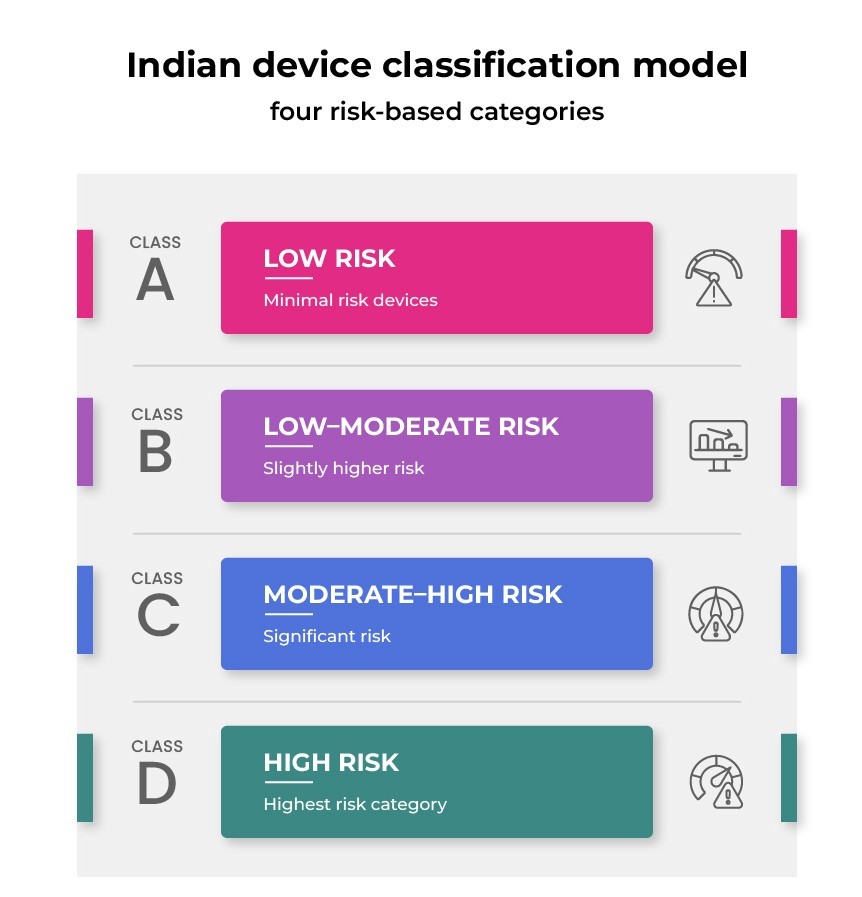
CliniExperts summarizes the Indian device classification model into four risk-based categories:
Why classification matters
Device classification is not simply a label for the Indian license It determines which issuing authority will review application, which regulatory route applies and what level of documentation the applicant should prepare. For manufacturers, we at CliniExperts maps separate form for Class A/B versus Class C/D pathways. For importers, while classification doesn’t impact the MD Form it helps in determining the documentation and data that needs to be submitted to the licensing authority.
The official CDSCO medical device page also reflects this risk-based licensing structure, including phased licensing implementation across lower-risk and higher-risk device classes.
Class A medical devices: low risk
Class A devices are considered low risk. For example absorbent cotton wool, the devices like this still fall under regulatory oversight, but the compliance burden is generally lower than for higher-risk device classes.
Class B medical devices: low-moderate risk
Class B devices involve low to moderate risk i.e., slightly more risk than Class A. For example, Thermometers. For products of this class, applicants still need to take classification and documentation seriously, especially if the intended use or technical profile creates added regulatory attention.
Class C medical devices: moderate-high risk
Class C devices move into moderate to high-risk class. .For example, implants fall under such classes. . The products under these classifications may require more extensive regulatory preparation, especially when quality management systems, manufacturing controls, or technical evidence become center to the application.
Class D medical devices: high risk
Class D devices are high-risk devices with heart valves listed as an example. These devices naturally involve greater regulatory compliance and often require more rigorous review, stronger technical documentation, and tighter quality oversight.
What classification means for manufacturers
For manufacturers, classification directly affects which licensing forms apply. CliniExperts lists the following manufacturing-related pathways:
| Activity Type | Device Class | Applicable Forms |
|---|---|---|
| Manufacturing License | Class A & B | MD-3 / MD-5 |
| Loan License | Class A & B | MD-4 / MD-6 |
| Manufacturing License | Class C & D | MD-7 / MD-9 |
| Loan License | Class C & D | MD-8 / MD-10 |
What classification means for importers
For importers, classification affects the structure of the import pathway. CliniExperts states the pathway required for importing devices for all classes:
| Device Category | Device Status | Applicable Forms / Permissions |
|---|---|---|
| Class A to D | Existing Devices | MD-14 / MD-15 |
| Class A to D | New Devices | MD-22 / MD-23, MD-26 / MD-27 |
This is why companies should avoid assuming that overseas commercial success automatically translates into a simple Indian filing route. It is important to understand the Indian regulations and licensing requirements before entering the market.
Don’t guess your classification
A wrong classification can create downstream problems across the entire application filing strategy. It can lead to the wrong MD form set, a mismatched documentation package, unnecessary regulator queries, or avoidable approval delays. In practice, one of the smartest moves early in the process is to validate classification before building out the full application file.
Conclusion
Medical device classification is the foundation of a successful India regulatory plan. For both importers and manufacturers, getting the classification right means choosing the correct pathway, preparing the right supporting documents, and reducing avoidable risk later in the approval process.
Recent Posts
BIS Certification for imported products in India: Requirements & Process

BIS Certification of foreign manufacturers essential for ensuring that foreign products entering India meet safety, quality, and regulatory standards defined by the Bureau of Indian Standards. Underst..
Role & Responsibilities of Authorized Agent for Drugs in India

The role of authorized agent responsibilities is critical for foreign Pharmaceutical companies seeking to register, Import, and market Drugs in India while ensuring full regulatory compliance wi..
Need Help?
Submit your EnquiryOffice Locations
- Delhi
- Bangalore
- USA
- Singapore