
From Biosimilars to CAR-T
TRUSTED BIOLOGICAL REGULATORY
SERVICES PARTNER IN INDIA
Navigate India’s evolving biologicals Regulatory landscape with clarity and confidence. Whether you are entering the market with a biosimilar, planning a vaccine import program, or developing a complex advanced therapy, CliniExperts as your Biological Regulatory Services Partner helps you move from strategy to approval with less regulatory friction and stronger execution.

65+
BIOLOGICAL FILINGS

16+
YEARS OF EXPERIENCE

95%
FIRST-PASS SUCCESS

50+
TRUSTED CLIENTS
The Next Phase of
Biological Opportunity
India's biologicals market is entering a significant new phase of growth and regulatory maturity
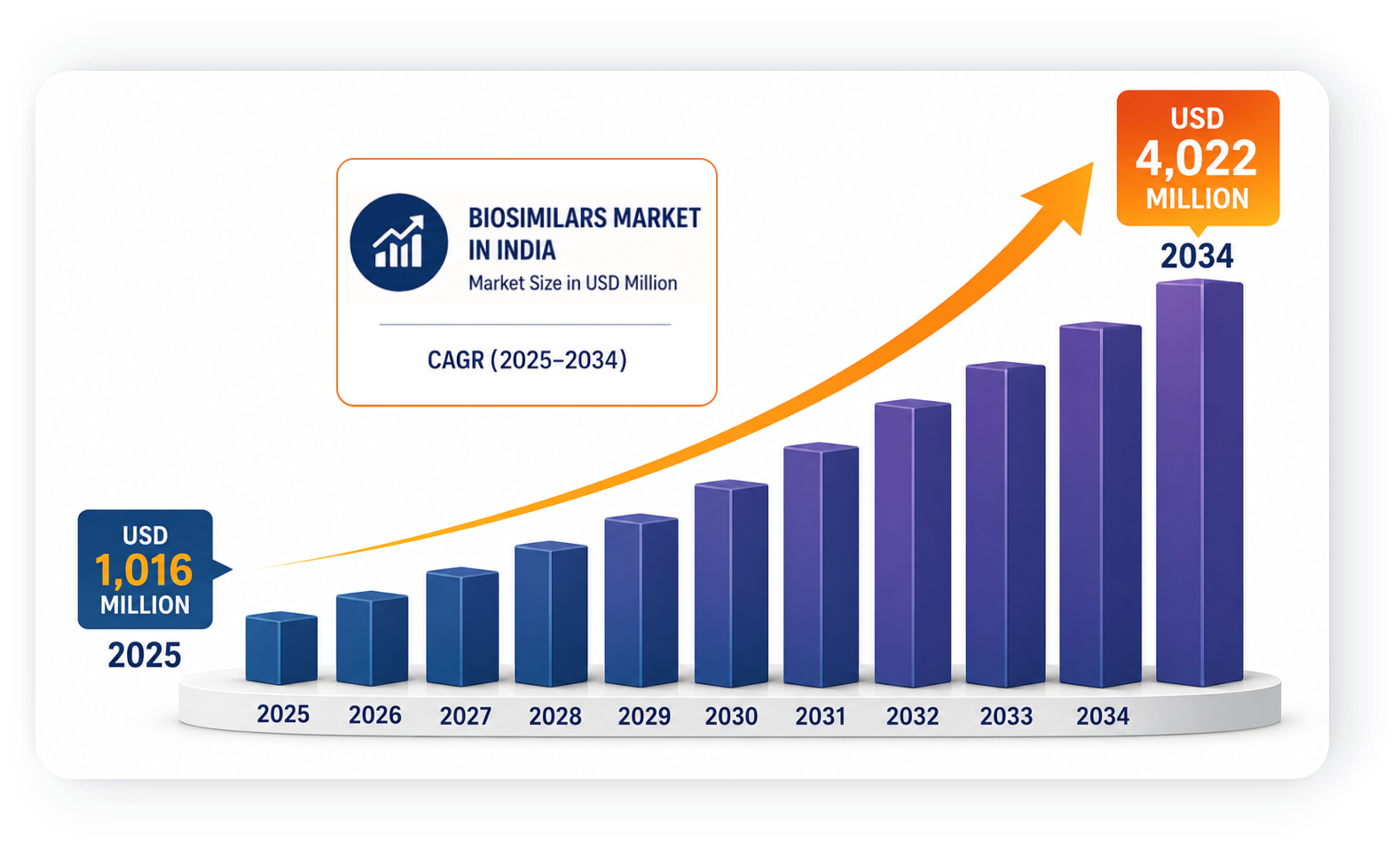
Biosimilars are projected to grow from approximately USD 1,016 million in 2025 to USD 4,022 million by 2034 driven by growing demand for affordable biologic therapies, expanding domestic manufacturing, and a progressively supportive policy environment. India also remains the worldˇs largest vaccine supplier by volume, and in 2024 its vaccine regulatory system achieved WHO functional recognition.
CDSCO is actively modernising its biologics regulatory framework. Updates to the Similar Biologics Guidelines signal higher expectations for comparability data, clinical evidence and quality documentation across all biological categories. For companies entering India, this means that administrative filing support is no longer sufficient.
What you need is a regulatory partner like CliniExperts capable of aligning science, strategy, compliance, and commercialisation into a coherent India plan from day one


CliniExperts is trusted biological regulatory services partner in India
Biosimilars, Vaccines, Recombinant products, Monoclonal antibodies, Advanced therapies (CAR T cell Therapy), and Blood products
Our Specialized Regulatory Domains
Comprehensive coverage across the entire spectrum of biologics.
Biosimilars, Recombinant Therapeutics & Monoclonal Antibodies
R-DNA / Recombinant Therapeutics / Monoclonal antibodies / insulin and other recombinant products regulatory strategy, comparability, clinical trial or clinical waiver planning, market authorization, and lifecycle support.
Learn More
Cell and Gene Therapy / CAR-T
Advanced therapy roadmap development across IBSC, RCGM, CDSCO, and related review requirements.
Learn More
Vaccines
Human and veterinary vaccine regulatory support, vial planning, market authorization, and post-marketing compliance.
Learn More
Stem Cells and Cell-Based Products
Compliant pathways planning under NDCTR 2019 and ICMR/DBT Stem cell guidelines.
Learn More
Blood and Blood Products
Licensing and regulatory support for plasma-derived products, immunoglobulins, and coagulation factors.
Learn More
Antibody–Drug Conjugates (ADCs)
Comprehensive regulatory and lifecycle support for next-generation ADC platforms,including site-specific conjugation, and Integrated Control Strategy.
Learn MoreManufacturers Vs Importers
The regulatory pathway for biologicals in India differs significantly depending on whether your organization is a domestic manufacturer or an overseas importer. Understanding which pathway applies and where they converge is an essential first step in planning your India entry or expansion.

Manufacturers Support
• Strategy & Classification
-
 Development-stage regulatory strategy and product category classification
-
 Compatibility study design and protocol support for biosimilars
• Clinical & Dossier
-
 Clinical trial strategy, CTRI registration and CDSCO submissions.
-
 Marketing authorisation dossier preparation.
• Approvals & Lifecycle
-
 Multi-authority coordination.
-
 Manufacturing licence support.
-
 Post-approval lifecycle management.

Importers Support
• India Entry & Licensing
-
 India entry pathway assessment and regulatory route planning.
-
 Import licence application under Rule 27.
• Localization & Submission
-
 Marketing authorisation strategy.
-
 Dossier localisation and translation.
• Clearance & Compliance
-
 Coordination with DCGI and Customs.
-
 Labelling compliance.
-
 Post-marketing pharmacovigilance.
Not sure which Pathway Applies to Your Product ?
Our team offers a complimentary initial assessment to help you determine the right regulatory route before engagement begins
Regulatory Authorities in India
Our Process
CliniExperts follows a structured six-stage engagement model for every biological regulatory programme.
Strategy Planning
Map the product's regulatory landscape, evidence expectations, authority touchpoints and commercial objectives. This stage establishes the regulatory blueprint before work begins.

Why CliniExperts
For global biologics companies and domestic manufacturers navigating India's complex multi-authority regulatory environment, the choice of partner determines how quickly and cleanly your programme reaches approval. Here is what sets CliniExperts apart when it comes to Biological regulatory services and development.

Regulatory Expertise and Intelligence
Our team brings over 16 years of hands-on CDSCO and multi-authority experience across biosimilars, vaccines, advanced therapies, and recombinant products.

Faster Timelines Through Proactive Planning
CliniExperts reduce avoidable timeline loss through early gap assessment, structured dossier preparation, and well-reasoned submission packages designed to withstand CDSCO scrutiny.

Cost-effective
CliniExperts delivers seasoned regulatory expertise through a model that balances exceptional support with cost efficiency.

Multi-Authority Navigation
Biological programmes in India routinely require coordinated engagement across CDSCO, DCGI, RCGM, GEAC, DBT, ICMR, NIB, CDL, and State Licensing Authorities. CliniExperts understand how these bodies interact, what each requires, and how to sequence engagements to avoid bottlenecks.
End-to-End, One-Stop Partnership
From your first regulatory strategy consultation through dossier preparation, authority liaison, approval, and post-market lifecycle management, CliniExperts remains your single point of accountability.

Integrated CRO and Pharmacovigilance Capability
CliniExperts Research, Our dedicated CRO division, supports clinical trial design, site management, CTRI registration, and trial conduct for biological programmes. Our pharmacovigilance division provides post-approval safety monitoring, PSUR preparation, signal detection, and CDSCO compliance support after your product reaches the market.
Illustrative Case Studies
The following anonymised case studies reflect the type and complexity of biological regulatory programmes CliniExperts has supported.
Phase III Clinical Trial Waiver for a Biosimilar – India Approval
CHALLENGE
Obtaining Indian marketing authorisation for a biosimilar product without conducting a new Phase III clinical trial in India presented a significant regulatory challenge.
APPROACH
The approach required overcoming the regulatory challenge of securing Indian marketing authorisation for a biosimilar without conducting a local Phase III clinical trial. CliniExperts prepared a comprehensive clinical waiver justification dossier, including comparative efficacy and safety analyses, PK/PD bridging rationale, and a CMC comparability package aligned with the CDSCO Similar Biologics Guidelines, supported by robust comparability data and clinical evidence from approved markets.
OUTCOME
Marketing authorisation obtained with clinical trial waiver accepted. Significant reduction in development timeline and cost compared to a full India clinical study.
Orphan Category Biosimilar Approval for a Product Registered in Non SR Markets
CHALLENGE
A biosimilar manufacturer held marketing approvals in Non SR markets but had no approvals from ICH reference markets (US, EU, Japan). India’s pathway required a carefully constructed comparability and clinical evidence package without the benefit of an ICH-approved reference authority
APPROACH
CliniExperts developed a bespoke India regulatory strategy, mapping the acceptable reference biologic approach under CDSCO guidelines for ROW-registered biosimilars. We prepared the dossier with additional comparative data to data to address the absence of ICH reference approval, and managed CDSCO interactions through approval.
OUTCOME
Phase III clinical trial waiver approved. Indian marketing authorisation granted for the biosimilar with an ROW-only approval history. A complex outcome that required strategic regulatory design from the outset.
Phase I/II–III Clinical Trial Approval for an Antibody-Drug Conjugate in Advanced Cancer
CHALLENGE
A global oncology sponsor sought to initiate Phase I and Phase I/II Clinical Trials in India for an Antibody-Drug Conjugate (ADC) targeting advanced solid tumours. The programme required Indian CT authorisation under the Global Clinical Trial pathway. The product was already in Phase 1 in country of origin.
APPROACH
CliniExperts prepared the India-specific Clinical Trial application package, Non clinical studies mapping , as per ICH and NDCT rules.
OUTCOME
Clinical trial permission granted for Phase I and Phase II in India under the Global Clinical Trial pathway.
Latest Regulatory Updates
CliniExperts monitors the Indian regulatory environment continuously. The following updates are directly relevant to companies with biological products in development or already on the market in India.
Frequently Asked Questions
What categories of products fall under biological regulation in India?
Biological regulation in India covers Vaccines, Biosimilars, r-DNA Products, Monoclonal Antibodies, Blood and Plasma-derived products, Cell and gene therapies, Stem cell-based products, and other biologics. These products are regulated under specific Biologics regulatory frameworks and require scientific evaluation by CDSCO and other relevant authorities, depending on the product type.

How long do biological approvals and biosimilar approvals usually take in India?
The timeline for biological approvals depends on the product category, data package, and regulatory pathway. In most cases, the approval process takes approximately 5–6 months, provided the submission is complete and no major regulatory queries are raised.
Do Biological products require approvals from multiple authorities in India??
Yes, depending on the product type. While CDSCO is the primary regulatory authority for biological approvals in India, certain biological products-such as Recombinant biologics, Gene therapies, Cell therapies, and GMO-linked products-may also require review or approval from authorities such as the IBSC, RCGM, or GEAC. CliniExperts Biologics regulatory support helps coordinate submissions across all applicable regulatory authorities, ensuring efficient compliance and timely approvals.
How is the importer regulatory pathway different from the manufacturer's pathway for biological products?
The importer pathway requires appointing a local Authorized Indian Agent, while the manufacturer's pathway uses Form CT-21 for domestic production operations prior to obtaining a manufacturing licence from the State Authority. Importers apply via Form CT-18 and subsequently obtain a Registration Certificate and Import Licence from CDSCO, while manufacturers must pass local physical facility inspections before market launch.
What are the most common causes of delays in biological approvals?
Common causes of delays in biological approvals include incomplete dossiers, insufficient comparability data, deficiencies in CMC documentation, delayed responses to regulatory queries, inadequate clinical evidence, and inconsistencies with Indian regulatory requirements. Strong biological regulatory services and early gap assessments can significantly reduce these risks.
How should a global CTD dossier be adapted for biological approvals in India?
A global CTD should be tailored to meet CDSCO requirements by incorporating India-specific administrative documents. Module 1 must include local administrative data and agent authorizations. Module 3 requires stability profiles under Zone IVB conditions and India specific labeling requirements. Module 5 must incorporate local clinical or immunogenicity bridging trial results.
What is the regulatory pathway for importing a vaccine into India?
Imported vaccines require regulatory approval from CDSCO before commercialization. Depending on the product, the process may include import registration, manufacturing documentation review, quality evaluation, clinical data assessment, and batch release requirements. Professional biological regulatory services help streamline vaccine import approvals.
How are post-approval changes managed for biological products?
Post-approval changes for biological products follow the CDSCO risk-stratified framework to ensure continuous quality and safety. High-risk modifications (Level I and II), such as changing manufacturing sites or primary packaging, require comprehensive data validation and prior regulatory approval. Low-risk modifications (Level III and IV), like minor administrative or routine quality shifts, have minimal product impact requiring post-change submission or annual notifications.